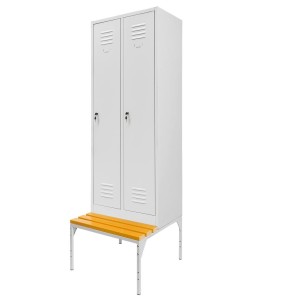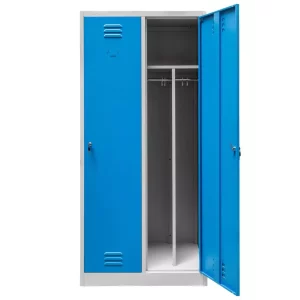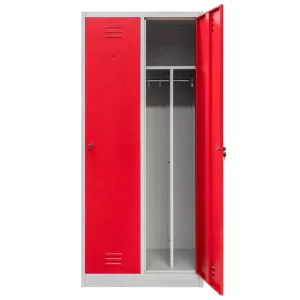


Locker cabinets are essential in a wide range of environments – from gyms and manufacturing facilities to public swimming pools. One of their most important features is a secure lock that ensures reliable protection of belongings and ease of use. Choosing the right type of lock helps prevent inconvenience for users and minimizes additional costs or security risks for businesses. This guide provides a detailed overview of locker lock types, their operating principles, and the most suitable applications.
Mechanical locks are among the most commonly used solutions for locker cabinets, storage units, and even workshop furniture. They require no power source and are known for their durability. The most popular types of mechanical locks include:
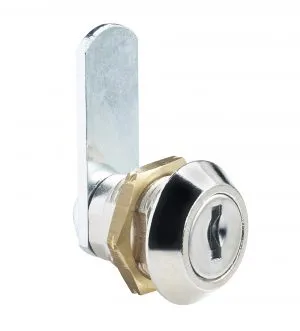
Cylinder locks: opened with traditional keys, featuring a simple construction and resistance to everyday wear. They are widely used in metal lockers and other storage units where simplicity and reliability are required.

Combination locks: operate by entering an individual code, eliminating the need to carry keys. This solution is convenient for users, but it requires remembering the code, which can be inconvenient for some user groups.
Mechanical locks are easy to maintain and require no additional power source. They’re suitable for environments where simple operation and a lower budget are the main priorities.
Electronic locks offer advanced features that are highly valued in modern gyms, offices, and industrial facilities. They provide greater security and convenience but depend on a power source. The main types of electronic locks include:

RFID locks: operate using cards, wristbands, or other fobs with embedded chips. This solution is highly convenient, as users don’t have to carry traditional keys. It’s especially useful in locations where people frequently change clothes, such as swimming pools or gyms.

Electronic combination locks: allow users to enter a numeric code or use RFID technology. This hybrid solution offers greater flexibility and functionality.
Electronic locks are often integrated with other systems, such as access control or payment solutions. They pair perfectly with metal furniture and metal lockers, where functionality is the top priority.
Mechanical and electronic locks have unique characteristics that determine their suitability for specific conditions:
Both lock groups can be tailored to user needs, and the right solution depends on the required security level, frequency of use, and budget.
When choosing the most suitable lock, it is essential to consider several key criteria:
Choosing the right locker locks helps create a safe and convenient environment for both users and employees. From traditional mechanical locks to advanced electronic solutions, each option has its advantages depending on specific needs and operating conditions.
We invite you to explore the related categories for even more functional solutions: metal furniture, metal lockers, workshop furniture, and metal office furniture. Discover the best options for your work or leisure space!